
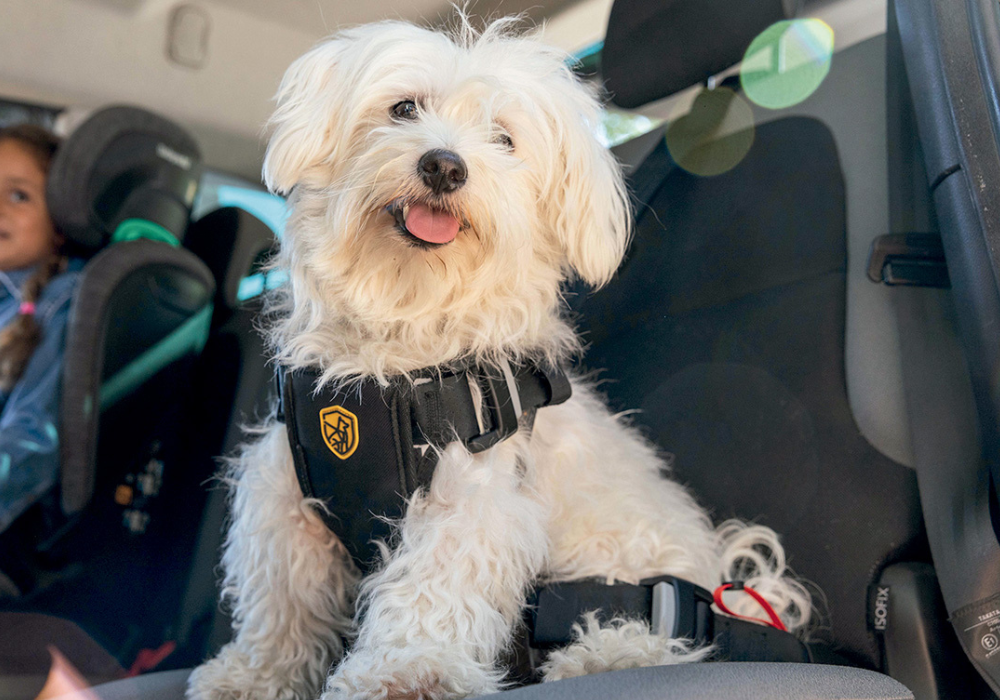
Winter holidays are approaching, and many families are traveling with their pets.
They are happy to accompany us on our trips, but for many, traveling causes anxiety, and the signs we can recognize vary from one furry friend to another.
We can confuse it with the excitement of traveling, and that's why in this #PetTuesday we teach you how to recognize their anxiety and 6 tips to help them in their crises.
Firstly, your furry friend already knows by heart their daily routine at home, and when they see that it's different due to travel preparations and then being carried in a transport carrier or in the car with the required safety, they will know that something strange is happening.
What are some signs to recognize that they have travel anxiety?
- Trembling or exaggerated nervousness
- Urinating in places they normally don't
- Eating habit changes
- Breaking or scratching objects
- Emotional need for affection
- Refusal to get in the car
- Repetitive or compulsive behaviors.
- Excessive salivation
- Panting
- Resistance to getting in the car
Why does this happen to them?
Smaller, younger puppies or kittens suffer from motion sickness in the car, usually because their balance has not fully developed. Over time, as they grow, this no longer happens, but if they associate that every time they get in a car they will suffer from dizziness and vomiting, that's why they show rejection, nervousness, and anxiety.
Some associate the car with vet visits. Especially after the first visit. Or simply the fact of going to a new and unknown place terrifies them and that's why they have anxiety attacks.
If they have a reaction such as vomiting, dizziness, or something more serious, it is advisable to take them to the vet immediately for a check-up and to clear up any doubts.
How can we help our furry friends so they don't get anxious about traveling?
- Before the trip, take your furry friend to nearby places you can go by car, so they associate that getting in the car doesn't mean something bad. Instead, it can include games, snacks, or other activities they prefer.
- If we already know they get carsick or might vomit, it's better not to give them much food or water before the trip, but during the journey, they must stay hydrated.
- During the trip, it's important that they have their blanket, toys, or some of the things they like at home nearby so they feel safe, and upon arrival at the destination, it will help them feel calm in the new environment.
- We must keep in mind that we cannot take our furry friend without the necessary protection in the car because there are laws that protect their health and well-being, as well as that of other people traveling in the car.
(Law 18.290, known as the Traffic Law. Article 80 of this law prohibits the transport of domestic animals in the front seats and indicates that they must go in the back, secured with carriers or special harnesses.)
It is better to carry them in a transport carrier or secured with a harness to the seat belt.
We leave you the link to our website where you will find a variety of transport carriers designed for your furry friend and their comfort.
https://www.befoods.cl/search?q=maleta+de+transporte
- Whether they are in a transport carrier or secured with a seat belt, we recommend placing their bed or blanket because they will associate it with a safe and comfortable place similar to home.
On our website, you can find comfortable beds that will serve them on the trip:
https://www.befoods.cl/search?q=cama
- If it's a short trip, regulate their food during the journey so they don't suffer from dizziness or vomiting, and if it's a long trip, it's better to stop every so often so they can stretch their legs. You can give them a small snack, which will help them feel more comfortable.
https://www.befoods.cl/search?q=snack

There are many more tips for our furry friend to travel calmly in the car or gradually get used to it.
However, it is advisable to take them to the vet before and after the trip to ensure that everything is well.