
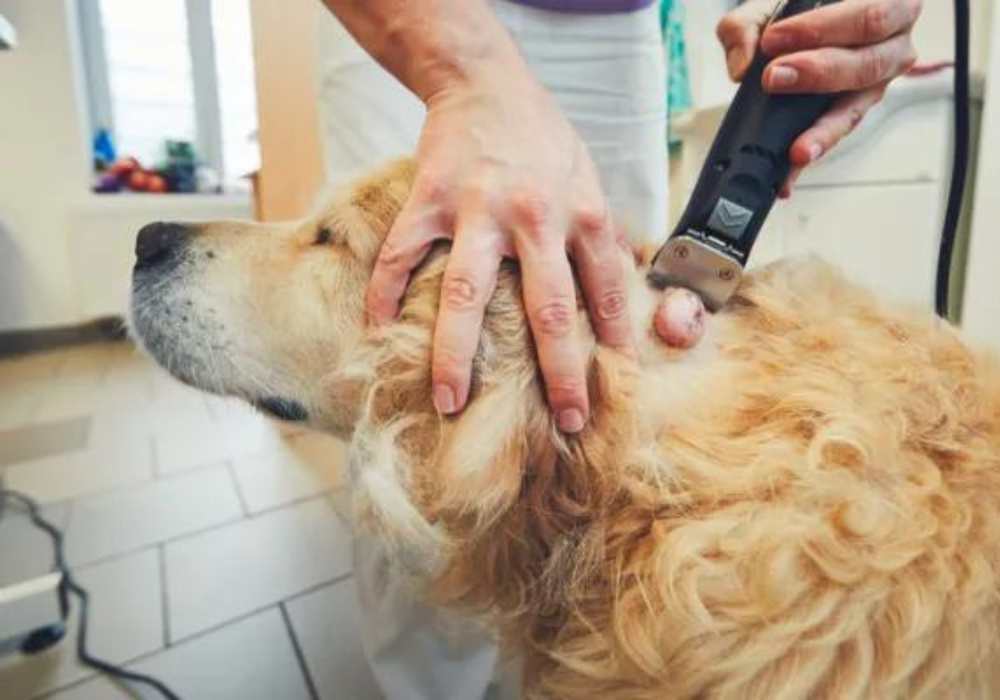
October is Breast Cancer Awareness Month, which is why we had questions about Cancer in our furry friends:
- Did you know that almost 50% of deaths in pets over 10 years of age are due to cancer?
- Are the types of cancer the same as in people?
- What are the symptoms, diagnosis and treatment of Cancer in our little 4-legged friends?
In this #MartesDeMascotas we inform you about the symptoms, diagnosis and treatments.
Being told that our best friend has this diagnosis is devastating. However, as in people, there are types of cancer that can be detected early and be treatable and even curable.
Symptoms can vary from one furry friend to another, so you have to be very attentive when a lump or bump appears, when a wound does not heal, when the lymph nodes are inflamed, or when a bone is abnormally inflamed or bleeding.
At the beginning, there may be no or very few signs that could make us suspect this disease, but something that will be clear is that our furry friend will be calmer than usual, he will be a little dejected. This sign should alert us to take him to the vet for a check-up.
Some visible symptoms:
- Swelling
- Lump or bump
- Wounds not healed for several days
- Vomiting or diarrhea
- Difficulty breathing or swallowing.
- Fever
Some non-visible symptoms:
- Changes in the amount of food or water consumed
- Weight loss
- Poor coat appearance
- Loss of interest in playing or activities


Types of Cancer:
- By age: Over 8 years of age, it is more common for them to suffer from a serious illness such as cancer. Even so, young people can suffer from osteosarcoma, mastocytoma and histiocytoma, as well as lymphoma.
- Racial predisposition: Some large breeds such as boxers, Golden Retrievers, German Shepherds and Rottweilers are more prone to suffering from some of these pathologies.
- Skin Tumor (Cutaneous Mastocytoma): is more common in breeds such as Boston Terrier, Bullmastiff, Bulldog, Beagle and Weimaraner.
-
Lymphoma: It is more common in Saint Bernard, Scottish Terrier, Boxer, Bulldog and Basset Hound breeds.
In the case of cats, Lymphoma affects patients infected with the leukemia or immunodeficiency virus. It is not so much due to breed differences, but it is more common in kittens that spend more time on the streets.
Types of visible tumors:
- Skin tumors (cutaneous carcinomas, mastocytoma)
- Eye tumors on the eyelids
- Bone tumors (osteosarcomas, chondrosarcomas)
- Mouth tumors (melanomas, fibrosarcomas)
- Mammary tumors (neoplasia)

Diagnoses:
As with diagnosis in humans, the veterinary doctor will take into account all the aforementioned conditions to identify possible metastases.
They will perform blood and urine tests, but these are often not sufficient to diagnose cancer because some tumors produce changes in hematology or biochemistry values.
They will also perform imaging tests (ultrasound or MRI).
Finally, to identify what type of cells are causing the tumor, a biopsy will be performed.
Treatment:
There are several alternatives for the treatment of oncology patients. Often, surgical treatment is the most chosen way to eliminate most tumors. This surgery must consider removing the entire tumor with healthy surrounding tissue.
Chemotherapy is another option for oncological treatment. It attacks cancer with substances that kill tumor cells. There are several types of chemotherapy, some of which require patients to go to the vet for each session, as well as other options that can be administered at home.
Radiotherapy is another possible treatment for some of these tumors. The application of localized radiation on a mass, for example, reduces its size, being curative on occasions.

Belover, have you gone through this sad situation with your furry friend? What advice would you give to other Belovers who are going through this situation? 🐾🐶🐱