
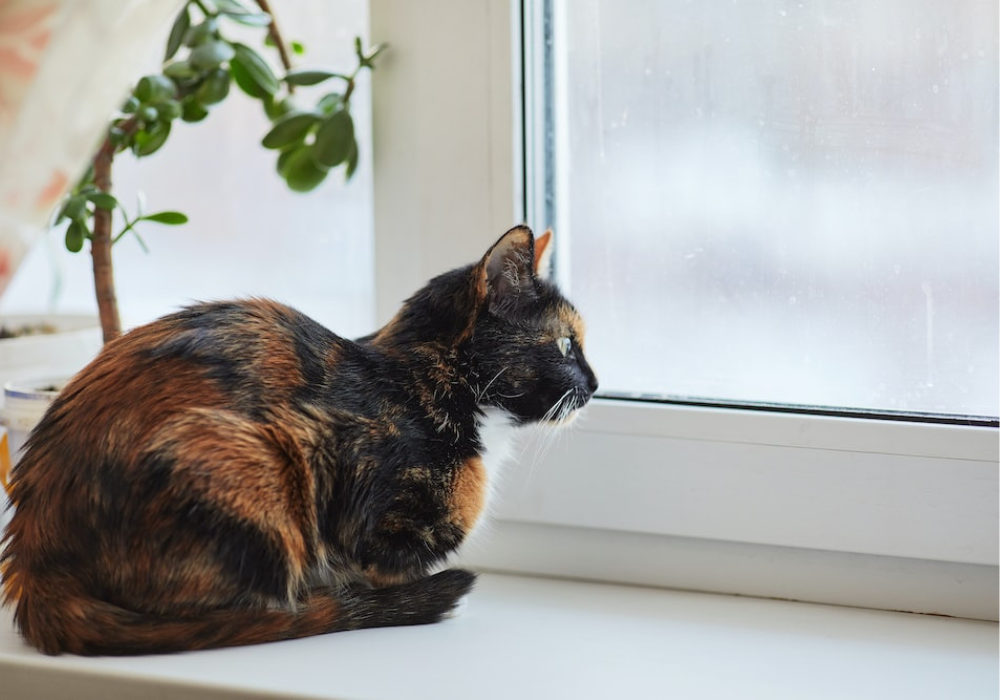
As we well know, pets suffer periods of stress, anxiety or even depression when we leave them alone for a long time during the day, they break objects, bark or meow non-stop and/or do their business outside their litter box or usual place, among others.
In this #TuesdayForPets we give you tips so that your pet learns that during the day you will leave, but you will always come back to them.


Why does my pet experience these states of stress or anxiety when I'm not with them?
For your pet, you are their source of trust and their safe zone, so when they don't see you nearby, stress, frustration, fear, and anxiety appear. This happens more often when there is only one pet at home, as having other furry friends means they play with each other and forget about the situation a little. It also happens after vacations. They see that we are home all day and then all of a sudden we return to our routine, but they don't understand it.
How to know if they have separation anxiety?
There are very common symptoms such as breaking objects, barking or crying excessively, doing their business in different places, or even more serious ones such as vomiting, not eating or drinking water, and self-harm.
If you see that the situation is getting worse, we recommend taking them to the vet as soon as possible.

What can I do so that, when I leave for work or shopping, my pet doesn't think I won't come back?
Here are some tips:
- Before leaving home, we have a certain routine: putting on shoes, wearing a vest or jacket, taking keys and a bag or purse, and depending on the time, turning off the house lights. All of this is daily, and your pet associates it with you leaving home, which gradually causes them stress.
We recommend doing this routine 2 or 3 times a day without leaving the house, so your furry friend understands that it doesn't always mean you'll leave them alone. - Before leaving, let's not say goodbye to them. Difficult, right? But it's for their well-being because they think we're taking them, and when they see that's not the case, they won't understand the situation.
- Also, you can gradually practice the moment you leave. You can do this by giving them a snack before leaving, going out for a few minutes, and then coming back in. You'll see them still playing or eating the snack, and they'll somewhat forget about your departure. Another time, do the same, but leave the house for longer, and finally, go about your normal routine where your furry friend will already know you're leaving, but you will definitely come back home.
It's not about giving them a snack every time you leave, as it won't be good for their tummy, but you can entertain them with a toy, an interactive task, or other things. - When returning home, depending on your furry friend's behavior, it's normal to want to scold or reward them. But it's not the most recommended because they are not capable of associating either punishments or rewards with the action performed once it has already happened.
- If your furry friend is always indoors, they will have a lot of accumulated energy, so it is also recommended that you play with them, take them for walks, or do some interactive activity together. This will help reduce their stress or anxiety.
If you need more help to prevent stress or anxiety in your furry friend, we recommend talking to dog trainers who can show you more techniques so that your furry friend's life is always the best.

We hope that this #TuesdayForPets helps combat your furry friend's separation anxiety symptoms and that you continue to be together for a long time to come.